
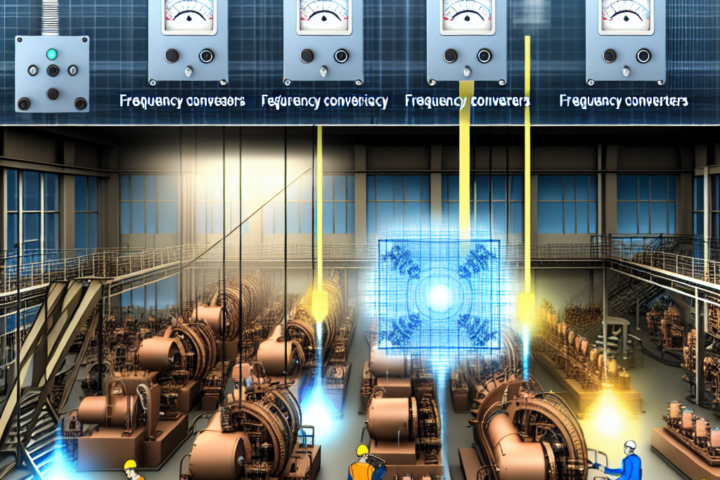
Frequency converters are pivotal components in various industrial and manufacturing settings, allowing for precise control of motor speeds and increasing overall plant efficiency. These devices efficiently match the frequency of power supplied to the frequency required by the motor, ensuring optimized performance under varying load conditions. The ability to control motor speed and torque with Frequency converters not only enhances flexibility in applications but also leads to significant energy savings and reduced mechanical stress on motor systems.
Benefits of Integrating Frequency Converters
The integration of frequency converters in industrial machinery leads to a multitude of benefits. Firstly, these devices contribute to substantial energy efficiency, as motors only use the energy necessary for the specific operation instead of running at full power continuously. This adjustment directly correlates with lower electricity costs and less environmental impact. Moreover, frequency converters extend the lifespan of the machinery by providing smoother start and stop operations and protecting against electrical and mechanical overloads, which are common in fixed-speed models that do not utilize such advanced controls.
In addition to economic and operational advantages, frequency converters play a vital role in improving the working environment. They reduce the noise and vibration levels produced by machinery, making the workplace safer and more comfortable for employees. Companies like VYBO Electric are at the forefront of the technology, continuously innovating to deliver solutions that not only meet but exceed the industrial standards for quality, reliability, and efficiency. As industries continue to evolve, the relevance of optimizing technological assets like frequency converters becomes ever more significant, paving the way for smarter, more sustainable industrial practices.