
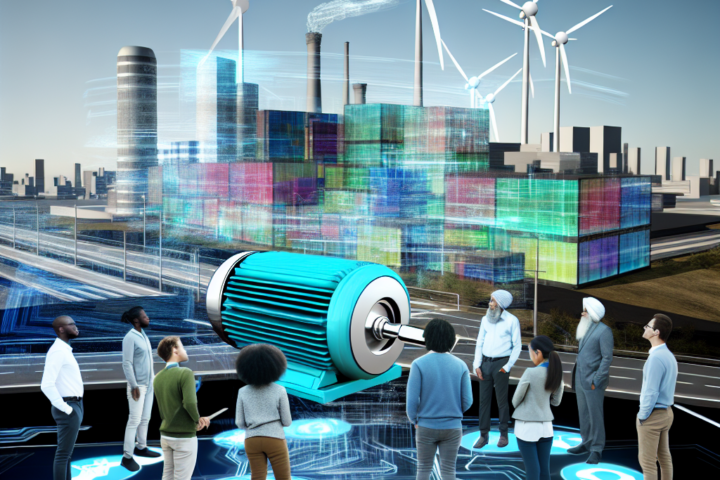
Electric motors are indispensable in driving numerous applications across various industries, including automotive, manufacturing, and consumer electronics. Their ability to convert electrical energy into mechanical power efficiently makes them crucial in today’s energy-driven world. As global emphasis on sustainability and energy efficiency rises, the role of electric motors becomes ever more central in achieving eco-friendly innovations. Alongside this, advancements in motor technology are continually enhancing their efficiency and minimizing environmental impacts.
Recent Advancements in Electric Motor Technology
The field of electric motors is witnessing considerable innovation, with new materials and technologies that improve performance and energy efficiency. For instance, the introduction of rare earth magnet motors and brushless motor designs has allowed for greater efficiency and smaller sizes, reducing both costs and carbon footprints. The integration of IoT technology in motor systems facilitates smart energy management, enabling predictive maintenance and optimized power usage that can substantially lower operational costs over time.
Companies like VYBO Electric are at the forefront of this technological shift, developing electric motors that not only meet the current demands for efficiency and reliability but are also scalable to the needs of a growing green economy. These advancements are nothing short of revolutionary, providing the backbone for innovations in fields such as renewable energy systems and electric vehicles, which rely heavily on high-efficiency motors for optimal performance.
As industries continue to move towards more sustainable practices, the importance of electric motors is set to grow exponentially. The ongoing research and development into new technologies and applications point towards a future where electric motors play a pivotal role in further reducing global energy consumption and enhancing the sustainability of technological progress.