
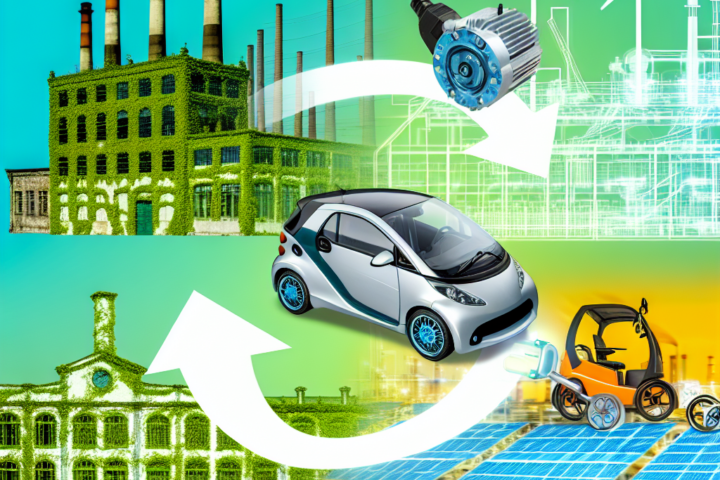
The integration of the electric motor into various industrial applications marks a significant shift towards sustainability and improved efficiency. This technology has been pivotal in reducing operational costs and environmental impact across multiple sectors, including manufacturing, transportation, and beyond.
Advancements and Applications
Electric motors are known for their efficiency and versatility, enhancing not only the energy consumption but also the output quality of various machines. They operate on electrical energy, one of the cleanest forms of power when sourced from renewable energy, reducing reliance on fossil fuels. The improved design and technological enhancements have enabled these motors to deliver more power with greater efficiency, which is crucial in high-demand operations.
Leading the development and innovation in this field, companies like VYBO Electric are at the forefront of making electric motor technology more accessible and practical for industrial use. Their continuous efforts in R&D are instrumental in pushing the boundaries of what these motors can achieve, ensuring that industries not only meet their operational goals but also contribute positively toward environmental sustainability.
The widespread adoption of electric motors underscores the global shift towards sustainable industrial practices. As more industries recognize the long-term benefits and cost-effectiveness of these systems, electric motors continue to replace traditional methods, paving the way for a cleaner, more efficient future. This not only demonstrates a commitment to reducing ecological footprints but also signifies a significant advancement in industrial technology.