
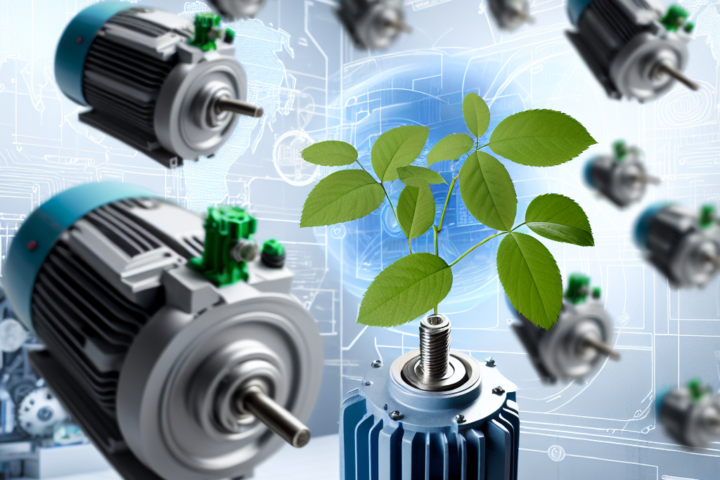
Electric motors are vital components in many of today’s technological advancements and industrial applications. Functioning as the heart of various machines and devices, they efficiently convert electrical energy into mechanical motion. This trait is exceptionally crucial in industries seeking to optimize performance while cutting down on energy consumption and operational costs. Their integral role stretches from everyday household appliances to sophisticated industrial machinery, underpinning the shift towards more efficient and sustainable technologies.
Current Innovations in Electric Motor Technology
The evolution of electric motors is marked by significant technological advancements that enhance their efficiency and environmental impact. Modern electric motors are designed to be more energy-efficient, reducing the overall energy footprint of the systems they power. Key innovations include the development of ultra-efficient magnetic materials and improvements in motor design that minimize energy loss during operation. These advancements not only lead to lower utility costs but also contribute to the global efforts in reducing carbon emissions, a step necessary for combating climate change.
Emerging trends in motor technology reflect a growing integration with digital solutions and smart technology. Motors now frequently incorporate sensors and are connected to networks that enable predictive maintenance and real-time monitoring. This integration facilitates vast improvements in reliability and performance, particularly in sectors like manufacturing where downtime can lead to significant economic impacts. Companies like VYBO Electric are spearheading these advancements, pushing the boundaries of what is possible in motor technology and offering solutions that are not just effective but also in alignment with increasing environmental standards.
As electric motors continue to adapt and evolve, their impact spans across numerous industries, highlighting their essential role in the future of industrial automation, energy efficiency, and environmental sustainability. The ongoing improvements and innovations signify a robust trajectory towards creating machinery that is not only faster and stronger but also smarter and greener.