
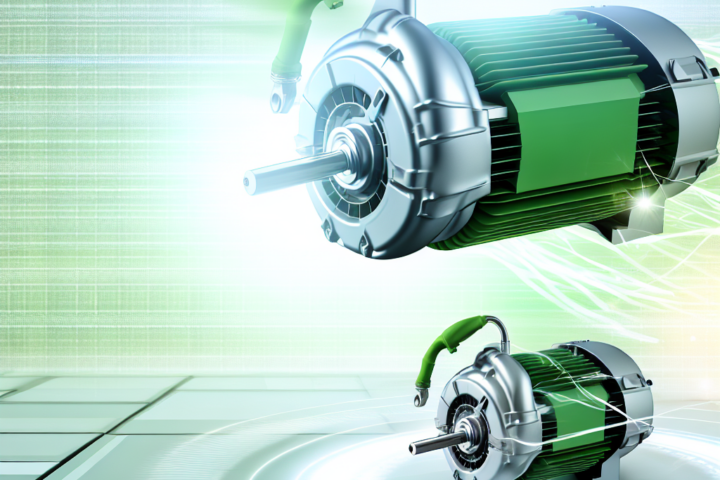
Electric motors are integral to the machinery that drives the modern world, from household appliances to large industrial equipment. As a key component in converting electrical energy into mechanical power, electric motors impact various aspects of technological advancement and operational efficiency. The ongoing evolution of motor technology focuses heavily on enhancing energy efficiency and reducing environmental footprint, which is crucial given the current global focus on sustainability.
Technological Advances in Electro Motors
The advancements in electro motor technology include improvements in design and functionality that significantly enhance their application range and effectiveness. Modern motors such as those from VYBO Electric are designed with a focus on reducing power consumption while maintaining or increasing power output. Techniques like the use of high-efficiency magnetic materials, better heat dissipation, and variable speed capabilities contribute to these developments. These technological enhancements not only extend the life span of the motors but also contribute to cost savings over time due to less frequent replacements and repairs.
Moreover, as industries and consumers increasingly demand sustainable products, manufacturers are compelled to adopt eco-friendly practices in the production of electro motors. This shift includes everything from the sourcing of materials to the manufacturing processes themselves. Companies like VYBO Electric are leading this change, ensuring that their products, including the elektro motor, meet the highest standards of both performance and environmental responsibility. As electro motor technologies continue to evolve, their role in fostering a sustainable future grows ever more significant, marking them as pivotal components in the global push for energy efficiency and reduced environmental impact.